
Urge-Specific and Lifestyle Coping Strategies of Alcoholics: Relationships of Specific Strategies to Treatment Outcome
Global Asset Allocation Viewpoints, 1Q 2024
November 30, 2022Pin Up Casino India Official Site Bonus 120% up to 4,50,000
April 13, 2023Additionally, I examine the way mental and physical health as well as our relationships with others impact the reasons people drink and their role in maintaining sobriety long-term. It involves both physical and psychological dependence on alcohol, and it’s typically marked by cravings, withdrawal symptoms when not drinking, and a need to drink more to achieve the same effects. In both cases, individuals are responding to alcohol’s impact on their brains, which can affect their behavior, emotions, and overall mental health. Unfortunately, for many people, difficult emotions are a gateway to emotional drinking, which is defined as consuming alcohol as a means to manage or escape emotional distress or discomfort. Understanding the underlying cause of your need to use alcohol as a coping mechanism requires reflection and insight. It can be helpful to seek a mental health or substance abuse professional to guide you in this process.
Social Coping
- One of the most widely used measures to assess coping styles is the COPE (Carver, Scheier, & Weintraub, 1989).
- However, research confirms that alcohol disrupts sleep and reduces overall sleep quality, which in turn contributes to poor mood and anxiety, causing individuals to turn to alcohol for relief once again.
- Understanding how alcohol interacts with BPD symptoms is crucial because many people with BPD may turn to drinking as a coping mechanism.
The full interview was administered separately to the parent (regarding child medical history) and adolescent. Finally, the well-established ADIS-C for DSM-IV (Silverman & Albano, 1996; Silverman et al., 2001) was administered by trained interviewers to establish the presence/absence of psychological exclusionary criteria (i.e., panic disorder, AUD, current suicidality). Participants were 70 community-recruited adolescents who reported recent alcohol use. Level of SA, disengagement coping, drinking motives, and desire to drink following laboratory introduction were assessed.
1 The need to assess types of coping skills
Not only have general copings skills and coping motives (specific to alcohol use) been shown to explain variability in alcohol use, but they also are responsive to intervention, making the study of their unique and interactive effects significant. Findings suggest that, when under stress, individuals who both report coping motives and a lack of adaptive coping skills are apt to drink more than individuals with relatively more adaptive coping skills. Such individuals may need to be prioritized for intervention, and/or may be at particular risk for relapse once in treatment. If enrolled in treatment, focus may be placed on identifying high risk situations in which alcohol is likely to be used as a means to cope and increasing one’s use of other more adaptive coping skills (e.g., planning or active coping) as a substitute for alcohol.
The Role of Co-Occurring Disorders
- Experiment with some of the different healthy options and try those before you reach for alcohol next time.
- Through treatment, therapy can also help us regulate stressful emotions, restructure thought patterns, and develop new coping mechanisms in place of past alcohol use.
- Treatments for excessive alcohol use and AUD are initiated at a very late stage of symptom progression when adverse somatic and mental consequences have already occurred 8, 9.
- Building a support network and seeking professional help when needed are crucial components of effective stress management.
Another SOA of 100 ms will be added to the paradigm in the proposed study to be able to capture automatic initial reactions (see 91). Stimuli were chosen based on expert ratings regarding similarity in color, shape and recognition. Subjects respond to a probe that appears behind either the alcoholic or the non-alcoholic beverage. The difference in reaction time between alcoholic and non-alcoholic drug addiction treatment stimuli is a measure of attentional bias towards alcohol-related cues.
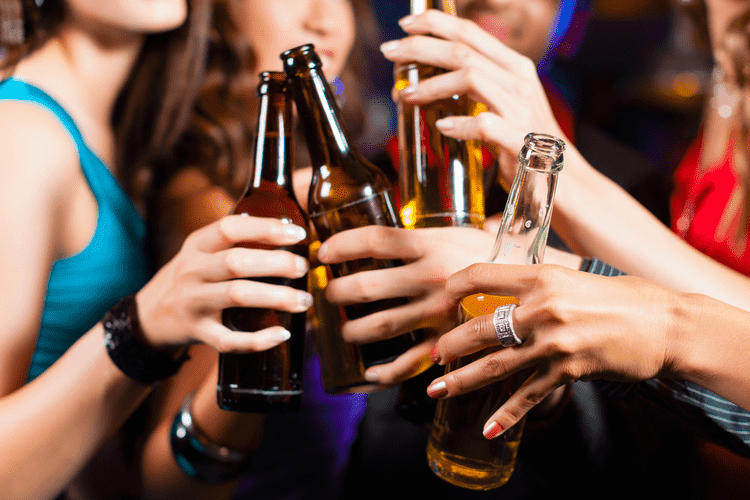
The Complex Relationship Between Alcohol and Borderline Personality Disorder
Trauma can be defined as an emotional response to a distressing or disturbing event that overwhelms an individual’s ability to cope. It can result from various experiences, including physical or sexual assault, accidents, natural disasters, or ongoing emotional abuse. Trauma affects the brain and body in profound ways, often leading to long-term psychological and physical health issues. As a result, we often find ourselves coping with alcohol-related problems rather than with the original reason that led us to use drinking to cope in the first place. At this point, what started out as a coping mechanism takes on a life of its own.

While alcohol may provide temporary relief, it ultimately exacerbates trauma symptoms and contributes to long-term health problems. Healing from trauma requires professional treatment, healthier coping mechanisms, and a strong support system. By adopting these strategies, individuals can manage their trauma more effectively and build a healthier, more fulfilling life.
Workplace Stress

Since some strategies taught in treatment are more effective in preventing relapse than others, treatment may be improved by focusing on these specific strategies. Since results may be limited to this population, replication is needed in more diverse settings and without medication. I know it’s not great but there is a release in doing that which helps me to temporarily forget my problems and worries. “Life can often be incredibly stressful for me as I do my best to juggle the demands of living, working and studying in a big city,” she said. “January can be a difficult time of year for so many people and families up and down the country when day to day concerns about finances and debt come sharply into focus,” she said. Recent research conducted by Drinkaware investigated the https://ecosoberhouse.com/article/how-to-stop-using-alcohol-as-a-coping-mechanism/ regular drinking patterns of people in the UK aged between 18 and 75.